Boosting Ranch Efficiency with Strategic Fence Layout Design Jan 21, 2026
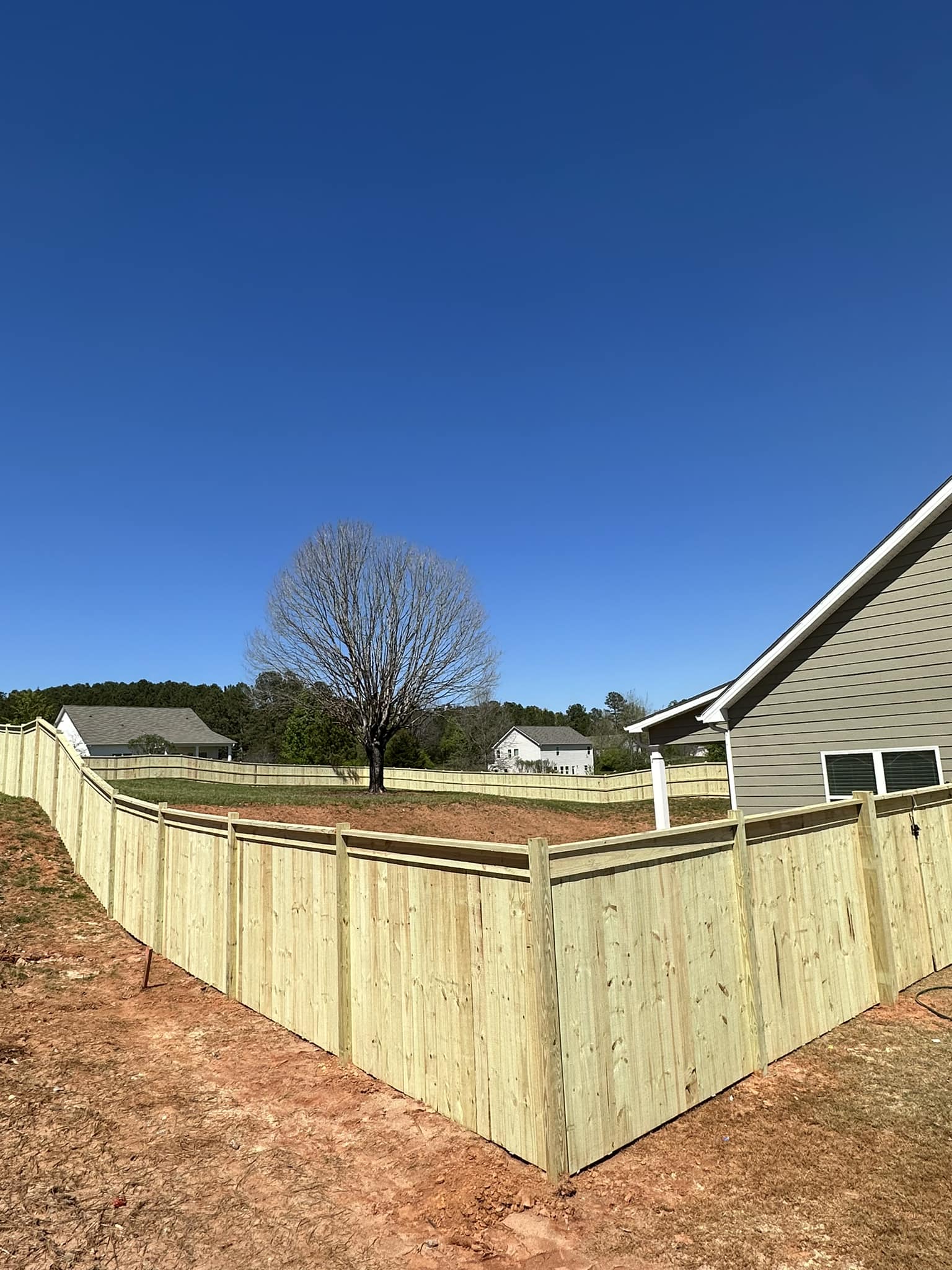
To kick things off, it's essential to recognize the role of well-designed fencing. Not just a barrier, it creates designated pastures, supports rotational grazing, and enhances livestock management. This is where strategic fence layout shines, allowing for the optimal arrangement of lands that facilitates efficient use of resources and minimizes stress on cattle and land.
Before diving into the specifics of fence design, ranchers should conduct a comprehensive assessment of their land. Understanding the terrain, soil types, and existing water resources will aid in making informed decisions. Moreover, considering the types of livestock you rear will guide you in choosing suitable fencing materials. At Ranch Contracting LLC, we're always available to offer insights and assessments tailored to each unique property.
Now, onto the principles of laying out your fences. The primary objective is to incorporate functionality while maintaining flexibility. Start by dividing larger areas into smaller, manageable paddocks. This segmentation supports rotational grazing—a practice where livestock is systematically moved between paddocks to prevent overgrazing and encourage regrowth of vegetation. Not only does this preserve the integrity of the grassland, but it also ensures that livestock have continuous access to fresh pasture.
Another essential element in strategic fence layout design is the positioning of gates and water points. Gates should be strategically placed to facilitate easy movement of livestock between paddocks, minimizing stress and possible injuries. Similarly, water points should be accessible, ideally located centrally to reduce the distance animals need to travel, which conserves energy and reduces soil compaction from constant travel routes.
Natural barriers such as streams and hills can also inform your fencing strategy. These features not only serve as natural dividing lines but can also be crucial in maintaining the balance of ecosystems within your ranch. Leveraging natural topography can reduce the need for artificial divisions and promote a more sustainable approach.
Incorporating multi-purpose lanes within your fence design can further enhance ranch efficiency. These lanes can be used for moving livestock, accessing different parts of the ranch quickly, or transporting equipment. By planning for such pathways from the outset, ranchers can save on time and labor, further bolstering productivity.
In conclusion, effective fence layout is more than just setting up boundaries; it's about creating a dynamic ranch system that maximizes efficiency. When crafted with strategic intent, your fencing setup can lead to improved livestock management, healthier pastures, and enhanced productivity. With Ranch Contracting LLC, ranchers are not alone in this endeavor; we provide the expertise and support needed to design fences that are not only functional but are a sound investment for the future. Let us partner with you in crafting a fencing solution that aligns with your operational goals and contributes to a thriving ranch.
/filters:no_upscale()/filters:format(webp)/media/a0d01972-7f5f-4f07-b5b6-44aab9a126ad.jpeg)
/filters:no_upscale()/filters:format(webp)/media/06c67a4c-66b8-46d1-9686-b1002580cb96.jpeg)