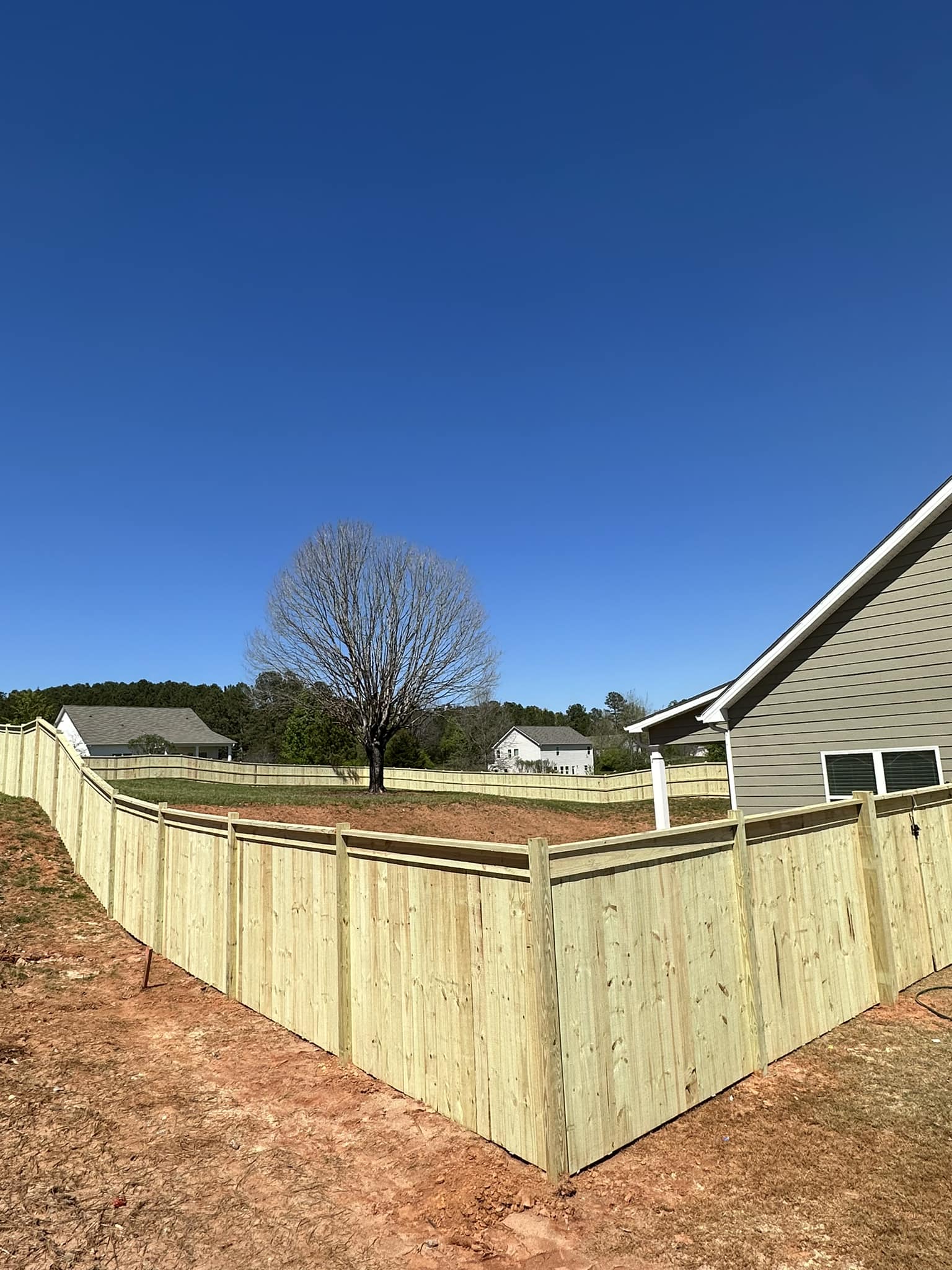
Cost-Benefit Analysis of Renewable Fencing Materials for Ranch Operations Oct 13, 2026
Renewable fencing materials, such as bamboo, recycled plastics, and composite wood, are gaining traction due to their sustainable nature. Bamboo, for instance, grows rapidly and can be harvested in just a few years, making it a highly renewable resource. Recycled plastics offer durability while diverting waste from landfills. Composite wood combines recycled wood fibers with plastics, resulting in a product that is resistant to weathering and rot.
One of the primary considerations in choosing fencing materials is cost. Initially, renewable materials can be more expensive than traditional options like wood or metal. However, they often require less maintenance and have longer lifespans, which can lead to cost savings in the long term. For example, traditional wooden fences may need periodic painting or sealing to prevent decay, whereas composite materials and recycled plastics are generally maintenance-free, resisting rot and insect damage without additional treatment.
Equally important is the environmental benefit of using renewable materials. Traditional wood fences contribute to deforestation and often require toxic chemicals for preservation. In contrast, utilizing renewable materials supports sustainability efforts by conserving natural resources and reducing carbon footprints. Bamboo, for example, absorbs more carbon dioxide than trees during its growth, making it an eco-friendly choice. By choosing these materials, ranchers can enhance their operations’ sustainability profiles and appeal to environmentally conscious clients.
Durability is another critical factor in the decision-making process. Renewable materials can offer superior resistance to environmental factors such as moisture, UV rays, and pests. Recycled plastic fences do not rust or splinter and generally withstand harsh weather conditions better than wood or metal. Bamboo is known for its strength and flexibility, capable of withstanding significant pressure and impact, which is ideal for the dynamic conditions often found on ranch properties.
Aesthetics should not be overlooked in this analysis. Renewable fencing materials can offer diverse design possibilities that can enhance the visual appeal of any ranch. Composite wood, for instance, can mimic the appearance of natural wood in various colors and textures, allowing ranchers to choose styles that complement their landscapes.
Safety is another vital aspect where renewable materials often excel. These materials are generally non-toxic and pose less risk of harm to livestock compared to traditional options that could involve sharp rusting metals or chemical treatments. Choosing a safe, practical fencing material ensures the well-being of animals and the workers who interact with these barriers daily.
In conclusion, the choice between traditional and renewable fencing materials presents a complex decision involving both upfront costs and long-term benefits. For customers of Ranch Contracting LLC, the investment in renewable fencing offers potential savings, enhanced environmental credentials, durability, aesthetic versatility, and safety. By conducting a thorough cost-benefit analysis tailored to their specific operational needs, ranchers can make informed decisions that not only protect their resources but also promote sustainable practices in the agriculture sector.
/filters:no_upscale()/filters:format(webp)/media/a0d01972-7f5f-4f07-b5b6-44aab9a126ad.jpeg)
/filters:no_upscale()/filters:format(webp)/media/06c67a4c-66b8-46d1-9686-b1002580cb96.jpeg)