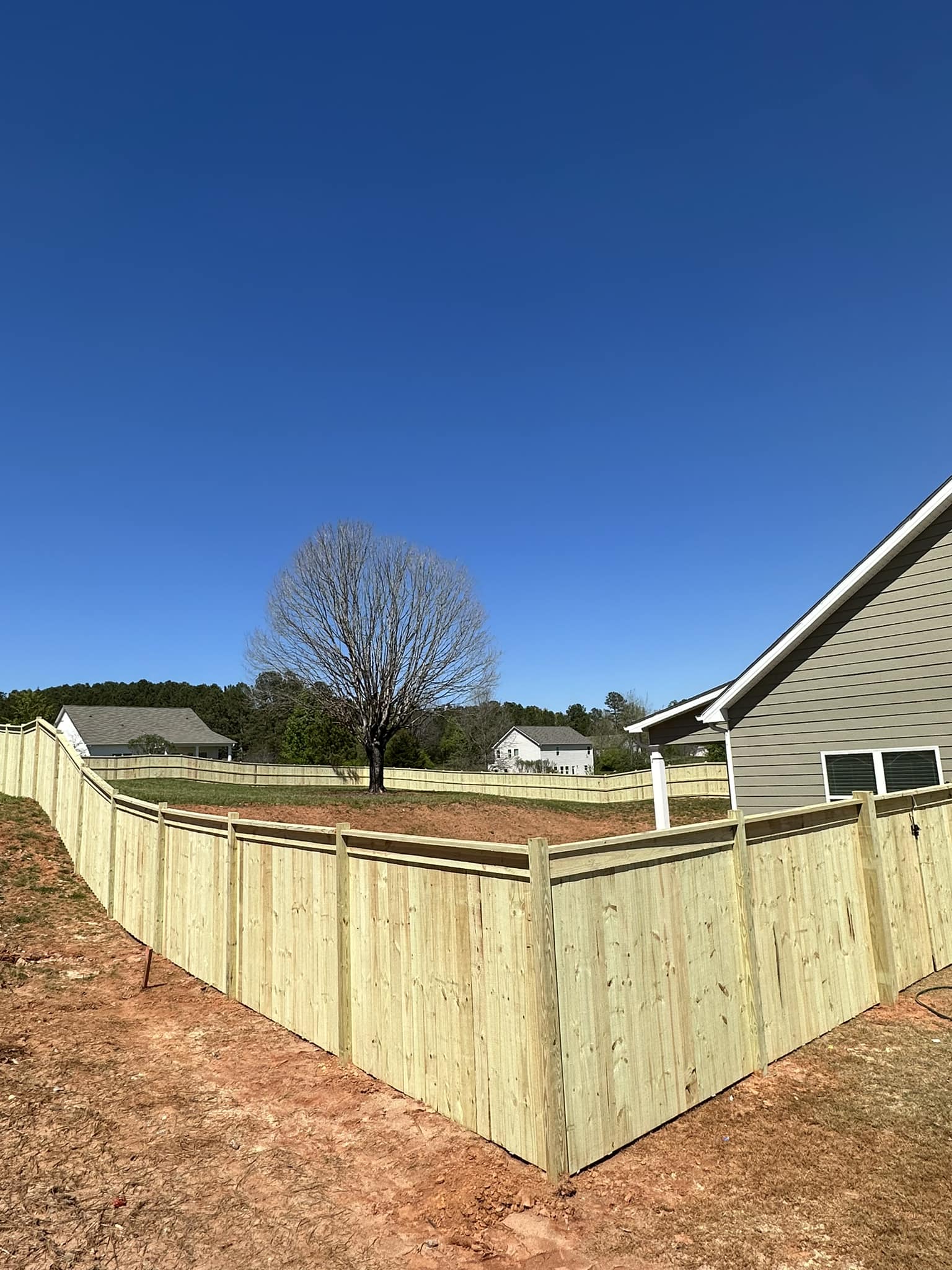
Planning Fencing Layouts for Efficient Ranch Operations Sep 06, 2026
First, consider the primary purpose of your fencing. Whether it’s to contain livestock, delineate property boundaries, or manage wildlife, understanding your goals will dictate the type of fencing materials you choose. These goals will also help in determining the most effective layout. For livestock containment, sturdier options like woven wire fencing ensure not only that animals stay secure but also provide a long-term solution that withstands external pressures such as predatory animals or adverse weather conditions.
Secondly, give thought to the geography and topography of your land. Uneven terrains or specific soil types can influence the durability and placement of your fences. Surveying your land with precision helps in predicting these challenges before they arise, allowing for preventative measures that can save time and resources. Considering where natural obstacles like streams or steep hills exist will also aid in planning a more sustainable and serviceable layout.
Efficiency is often found in the details. Plan your fencing sections with accessibility in mind. Strategic placement of gates is crucial. These should not only accommodate routine tasks, such as moving livestock or accessing different parts of your property, but should also align with natural animal movement patterns to avoid unnecessary stress on the animals and workers alike.
Moreover, implementing a rotational grazing strategy can maximize pasture usage. This involves dividing larger pastures into smaller paddock sections with temporary or removable fencing. This technique not only improves grass regrowth and reduces soil erosion but also promotes healthier livestock, by reducing parasite loads and improving grass nutrient cycles.
In addition to functionality, schedule regular maintenance of your fences to ensure enduring quality and effectiveness. Simple checks and minor repairs will prevent minor issues from evolving into costly problems. Regular maintenance can extend the life of your fencing and ensure the safety of your livestock.
Innovative solutions such as solar-powered electric fencing have also gained popularity in recent years for their practicality and eco-friendliness. These fences can be mobilized easily, allowing for flexibility in your layout as needs dictate. They are also particularly valuable for rotational grazing systems where change is constant and the agility of your fencing infrastructure is paramount.
Finally, leveraging professional consultation from experts like Ranch Contracting LLC can bring an invaluable perspective to your fencing design. With decades of experience and a commitment to customized solutions, professional advice can transform a daunting task into an engaging, value-driven venture.
In conclusion, efficient fencing layout is a cornerstone of effective ranch operation. By carefully considering the type of fencing, how it aligns with your land’s topography, and integrating strategic planning for daily operations, you can establish a system that optimizes both your time and financial investment. Ranch Contracting LLC stands ready to partner with you in crafting a fencing solution that best meets the unique demands of your ranch, ensuring productivity and peace of mind for landowners and livestock alike.
/filters:no_upscale()/filters:format(webp)/media/a0d01972-7f5f-4f07-b5b6-44aab9a126ad.jpeg)
/filters:no_upscale()/filters:format(webp)/media/06c67a4c-66b8-46d1-9686-b1002580cb96.jpeg)