Safety First: Designing Fences for Enhanced Livestock Protection Jul 15, 2026
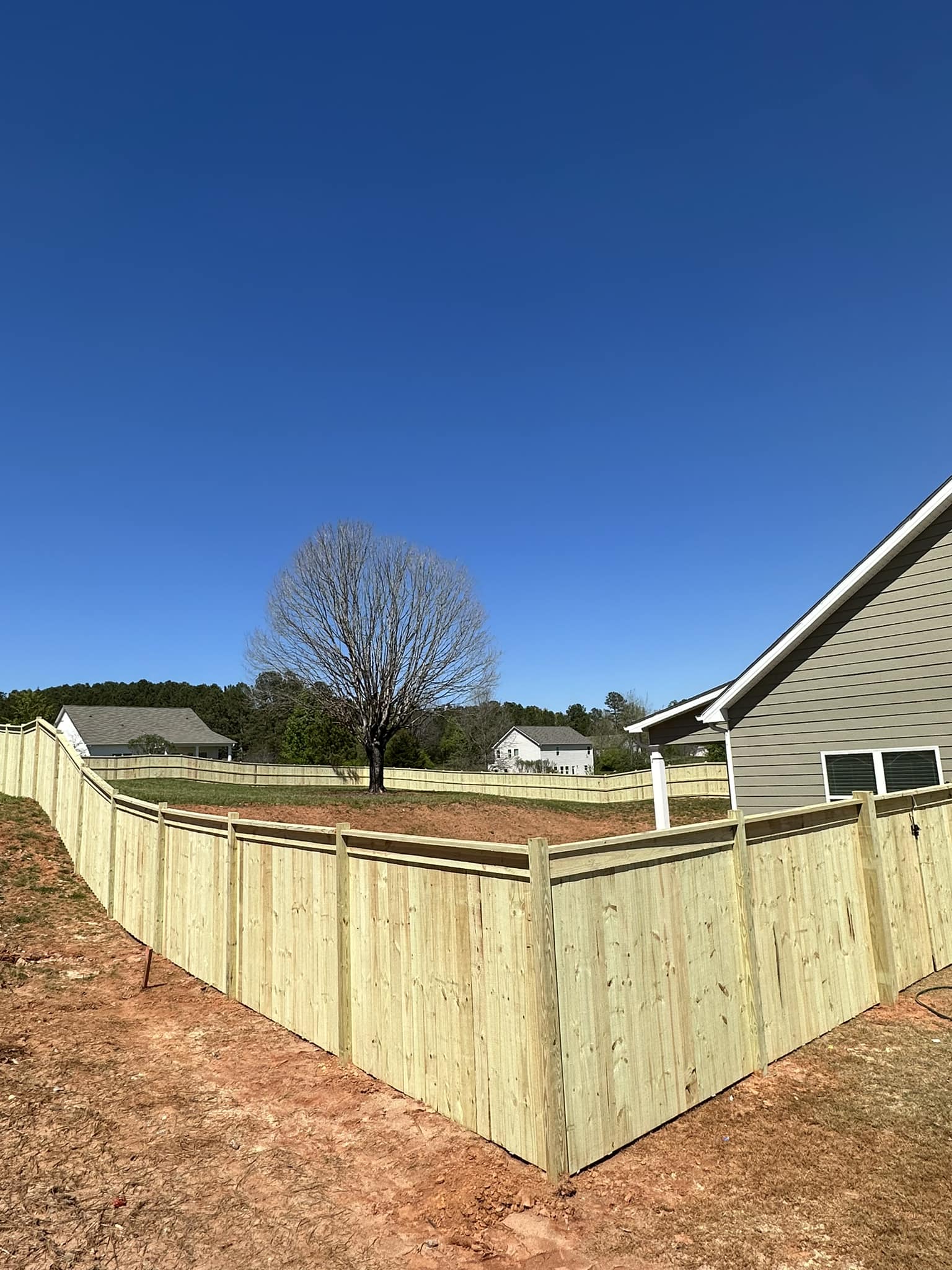
Fencing serves as the first line of defense against predators and the outside elements. The material and design you choose can drastically affect the safety and welfare of your animals. High-quality materials such as barbed wire, electric fencing, and robust post-and-rail constructions are commonly used. These materials are not just durable but are also easier to maintain. The right choice of material ensures longevity and minimizes accidents, whether from external threats or the livestock themselves.
The height of your fence is another pivotal aspect to consider for security. A well-designed fence should be high enough to prevent animals like deer or coyotes from entering, yet manageable enough for ease of maintenance and day-to-day operations. Typically, a height of at least five feet is recommended for preventing large animal intrusion, though specific requirements may vary based on the livestock type and local wildlife.
Spacing is equally significant in effective fence design. The distance between posts should be consistent to maintain structural integrity. For instance, when erecting a wire fence, posts should generally be spaced between eight to twelve feet apart to ensure stability and prevent sagging. Additionally, the electric wire should be positioned correctly within the fence structure to optimize deterrent effects against predators.
Incorporating safety features is paramount when designing fences. Rounded or capped fence tops prevent injuries to animals trying to jump or lean over the fence. Similarly, visibility is an often-overlooked factor. Painting fences in bright colors or adding flags can deter wild animals and prevent your livestock from attempting to pass through, as they can easily distinguish the boundaries.
Maintaining a clear perimeter around your fence is another tactical aspect to consider. By keeping the area on both sides of the fence free from brush or high grass, you reduce the risk of fire hazards and offer less cover for predators. Regular inspection and maintenance of the fence line can significantly extend its lifespan and effectiveness. Routine checks for wear and tear, especially after severe weather conditions, ensure that your fencing remains secure and offers the protection your livestock requires.
Integration of technology in fencing solutions has also transformed livestock management. The use of solar-powered electric fencing is both environmentally friendly and highly effective. These systems offer consistent performance and reduce reliance on the grid, ensuring your livestock remains protected even in remote locations.
In conclusion, designing a fence with safety as the primary focus not only protects your livestock but also enhances their welfare and productivity. By considering factors like material choice, design, visibility, and technological enhancements, we can create a robust fencing system that ensures peace of mind. At Ranch Contracting LLC, our team of experts is dedicated to helping you design and install fencing solutions tailored to your specific needs, providing your animals with the protection they deserve.
/filters:no_upscale()/filters:format(webp)/media/a0d01972-7f5f-4f07-b5b6-44aab9a126ad.jpeg)
/filters:no_upscale()/filters:format(webp)/media/06c67a4c-66b8-46d1-9686-b1002580cb96.jpeg)