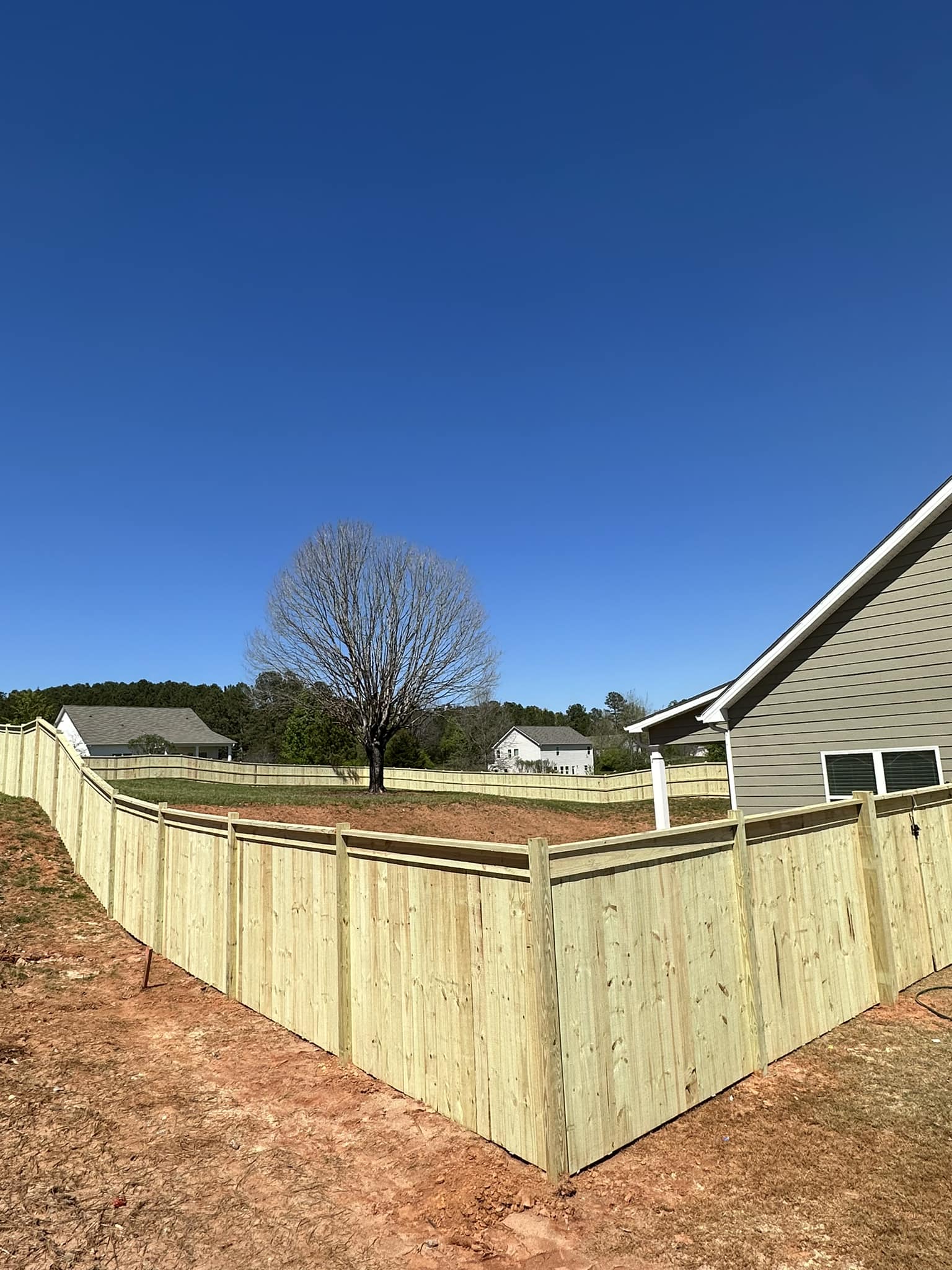
Sustainable and Cost-Effective Fencing Techniques for Modern Ranches Aug 21, 2026
When considering sustainable fencing, it's crucial to begin by understanding the materials available. Traditionally, ranchers relied heavily on materials like untreated wood and standard wire, which, while effective, don't always offer the best environmental impact or long-term cost savings. Today, more eco-friendly materials such as recycled plastic, composite materials, and sustainably harvested wood provide sturdier, longer-lasting options. These materials often require less maintenance and, ultimately, allow for increased durability against the elements.
Reclaimed wood stands as a particularly sustainable choice. Not only does it repurpose old materials, reducing waste, but it also adds a rustic charm that blends seamlessly with the natural aesthetics of a ranch. Additionally, using local materials minimizes transportation emissions and supports local economies, aligning with sustainable practices.
An often overlooked aspect of sustainable ranch fencing is design. Opting for strategic fencing layouts tailored to the ranch's geography can significantly reduce the amount of material needed. For example, following natural boundaries like tree lines or terrain contours not only preserves local wildlife habitats but also enforces natural animal movement patterns, decreasing the need for extensive man-made barriers.
Cost-effectiveness and sustainability go hand in hand when considering the longevity of fencing materials. While the initial investment in high-quality materials may be higher, these options generally offer extended lifespans and lower maintenance costs. For instance, metal fences treated with rust-resistant coatings or those made from galvanized steel can outlast other materials in harsh weather conditions, which is crucial for expansive ranch properties.
Another technique gaining popularity is solar-powered electric fencing. This modern approach supports sustainable energy use while effectively managing livestock. Solar panels convert sunlight into energy to power the fence, making them ideal for remote sections of a ranch where traditional power sources aren't feasible. This system not only saves money on electricity bills but is also gentle on the environment.
Beyond materials and design, regular maintenance is key to maintaining a cost-effective, sustainable fence. Routine checks can prevent minor issues from becoming costly repairs. Ranch Contracting LLC recommends periodic inspections to look for wear and tear, damage from wildlife, or weather-related degradation. In this way, proactive maintenance extends the life of your fence and reduces the need for replacement, conserving both resources and money.
In conclusion, by selecting sustainable materials, thoughtful designs, and embracing modern technologies like solar power, ranchers can implement fencing techniques that are both environmentally friendly and economically sound. Ranch Contracting LLC is committed to guiding ranch owners through this process, helping them make informed decisions that benefit both their business and the environment.
Implementing these sustainable and cost-effective fencing strategies not only preserves the natural beauty of the ranch landscape but also enhances efficiency and supports eco-friendly practices. With the proper guidance and resources, ranchers can achieve a harmonious balance between responsible land management and operational success.
/filters:no_upscale()/filters:format(webp)/media/a0d01972-7f5f-4f07-b5b6-44aab9a126ad.jpeg)
/filters:no_upscale()/filters:format(webp)/media/06c67a4c-66b8-46d1-9686-b1002580cb96.jpeg)