Top Considerations for Installing Perimeter Fencing on Your Ranch Dec 30, 2025
First and foremost, the purpose of the fence should be clearly defined. Are you looking to keep animals in, keep predators out, or perhaps a combination of both? Determining the primary function of your fence will influence decisions regarding materials, height, and installation techniques. For instance, if your main goal is to contain livestock such as cattle or horses, you may opt for a strong and durable material like high-tensile wire or pipe fencing. On the other hand, a fence aimed at keeping wildlife out may need additional features like electric wiring or extra height.
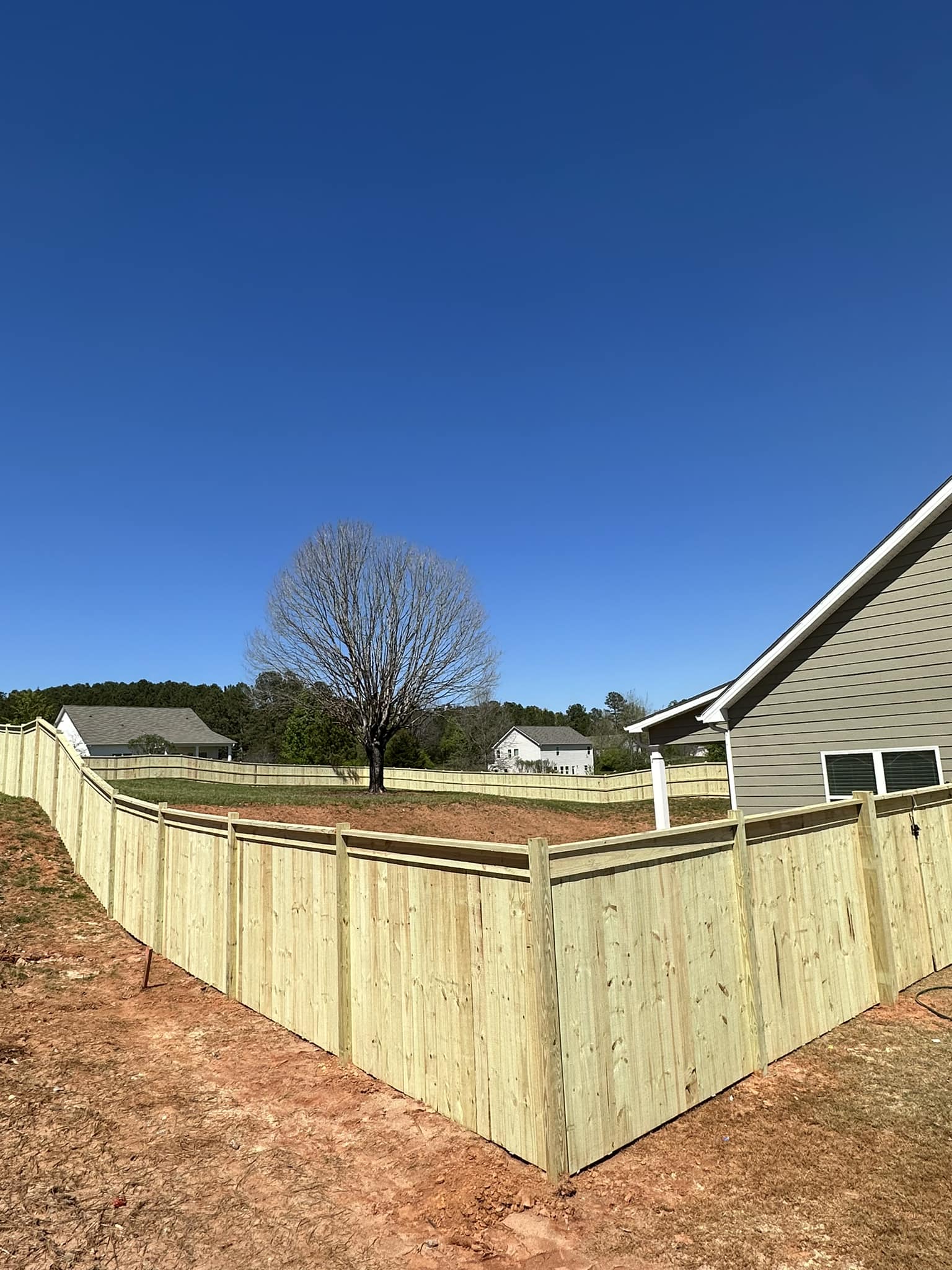
The choice of material is another critical consideration. Ranch fencing comes in a variety of materials, including wood, vinyl, wire, and metal. Each material has its benefits and limitations. Wood fencing offers a classic look and is popular for its aesthetic appeal; however, it requires regular maintenance to prevent rot and pest damage. Vinyl fencing is low maintenance and durable, but may be more expensive upfront. Wire fencing, such as barbed wire or woven wire, is cost-effective and commonly used for livestock, while metal fencing options like steel provide long-lasting security.
Cost is an undeniable factor in any fencing project. While it may be tempting to choose the cheapest option, it's important to consider the long-term value and durability of the materials you choose. A higher upfront cost may save money in maintenance and replacement in the future. Additionally, the cost of labor for installation can vary based on the complexity of the fence design and the terrain of your ranch. Consulting with a professional fencing contractor can provide insights and help you estimate a realistic budget for your project.
The terrain and layout of your ranch also play significant roles in the installation process. Uneven or rocky terrain may complicate installation and require specialized techniques or additional materials to ensure stability and longevity. Proper planning and surveying of your property can help identify potential challenges early on and allow for the development of a comprehensive installation plan.
Finally, consider the local regulations and zoning laws that might affect your fencing project. Some areas have specific requirements concerning fence height, material, and proximity to neighboring properties or roadways. Failing to comply with local regulations can result in fines, mandatory removal, or rebuilding of non-compliant fencing.
In conclusion, installing perimeter fencing on your ranch is a multifaceted process that requires careful consideration of various factors. By focusing on the purpose, materials, cost, terrain, and local regulations, you can ensure that your fencing project meets your needs effectively and efficiently. At Ranch Contracting LLC, we are here to assist you every step of the way, providing expert guidance and quality service to help you achieve a secure and functional perimeter fence for your ranch.
/filters:no_upscale()/filters:format(webp)/media/a0d01972-7f5f-4f07-b5b6-44aab9a126ad.jpeg)
/filters:no_upscale()/filters:format(webp)/media/06c67a4c-66b8-46d1-9686-b1002580cb96.jpeg)